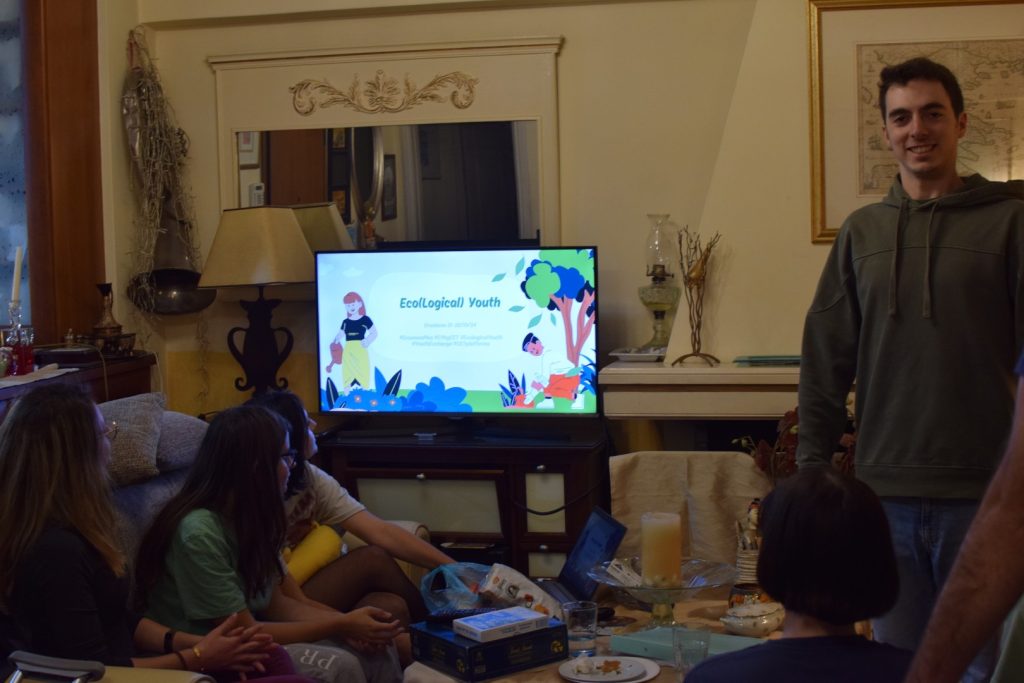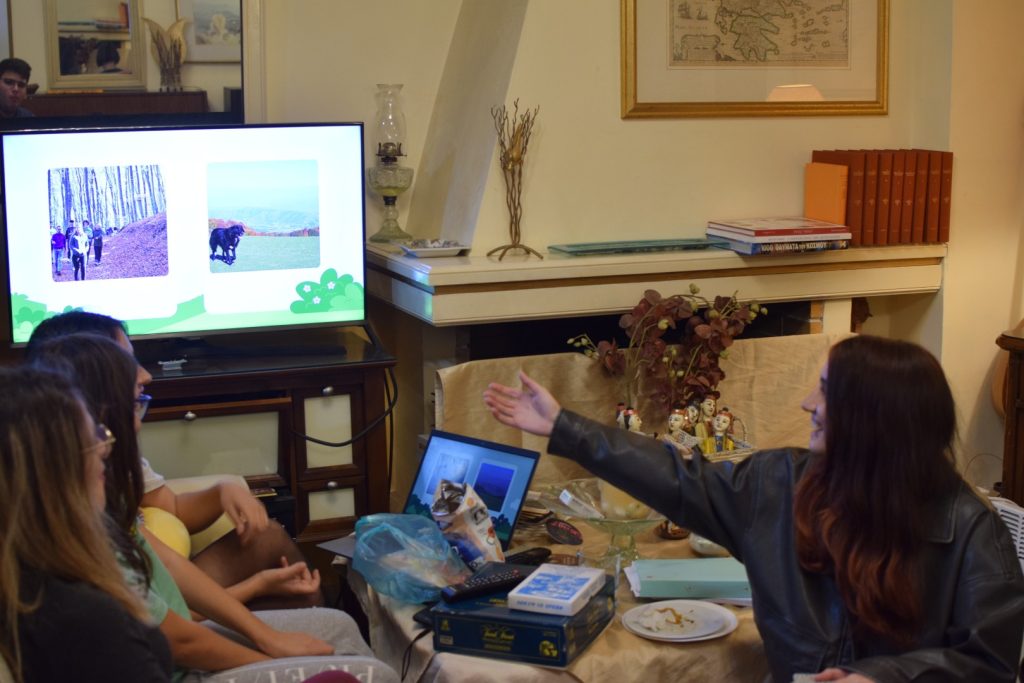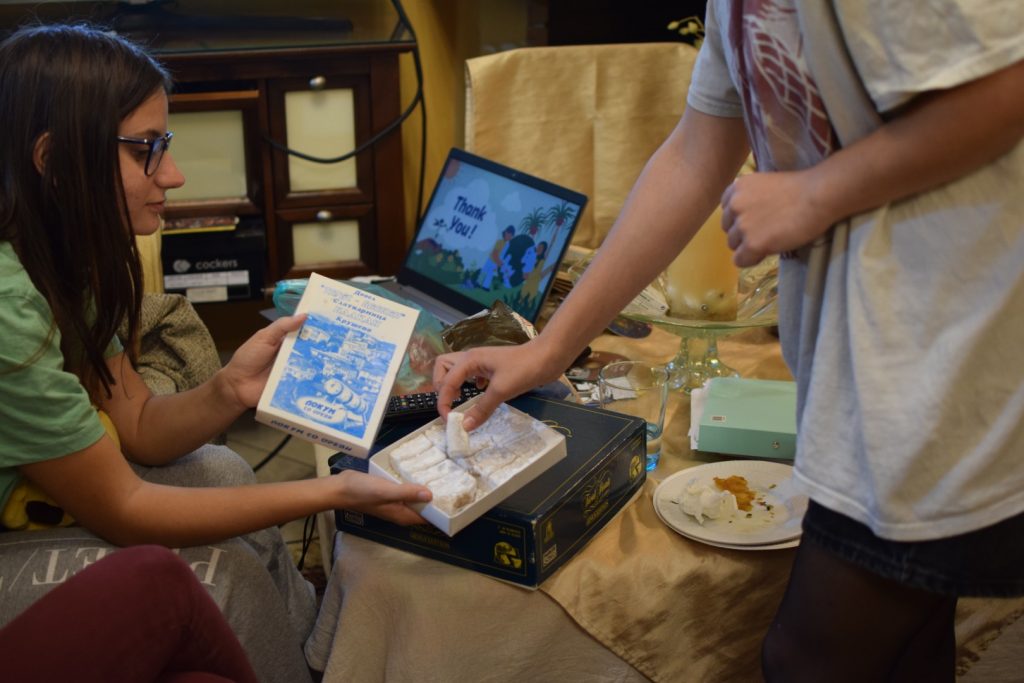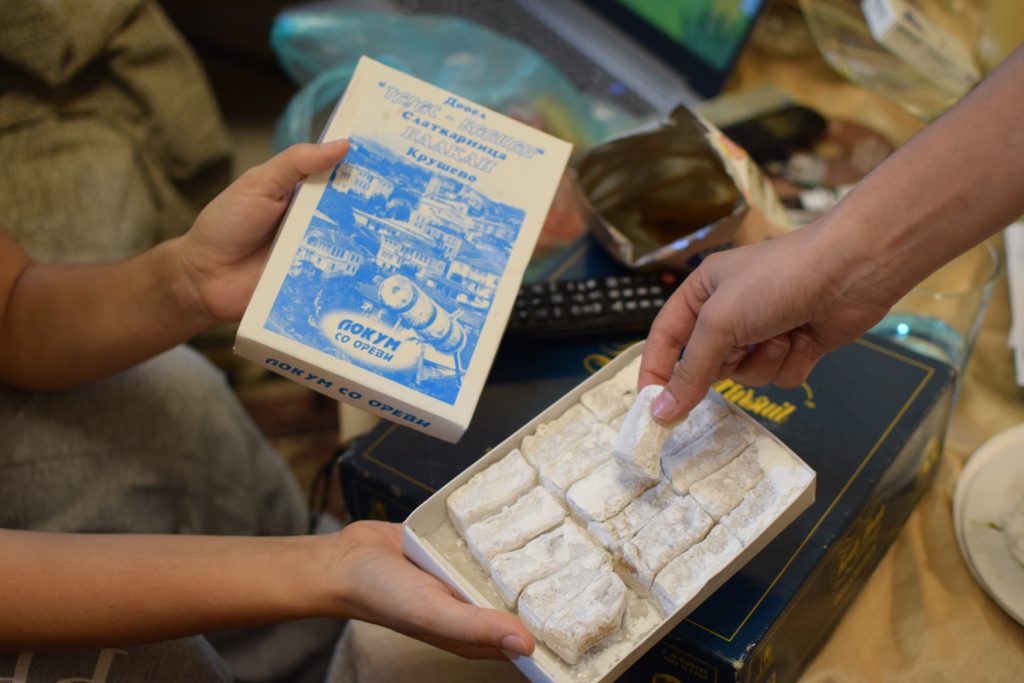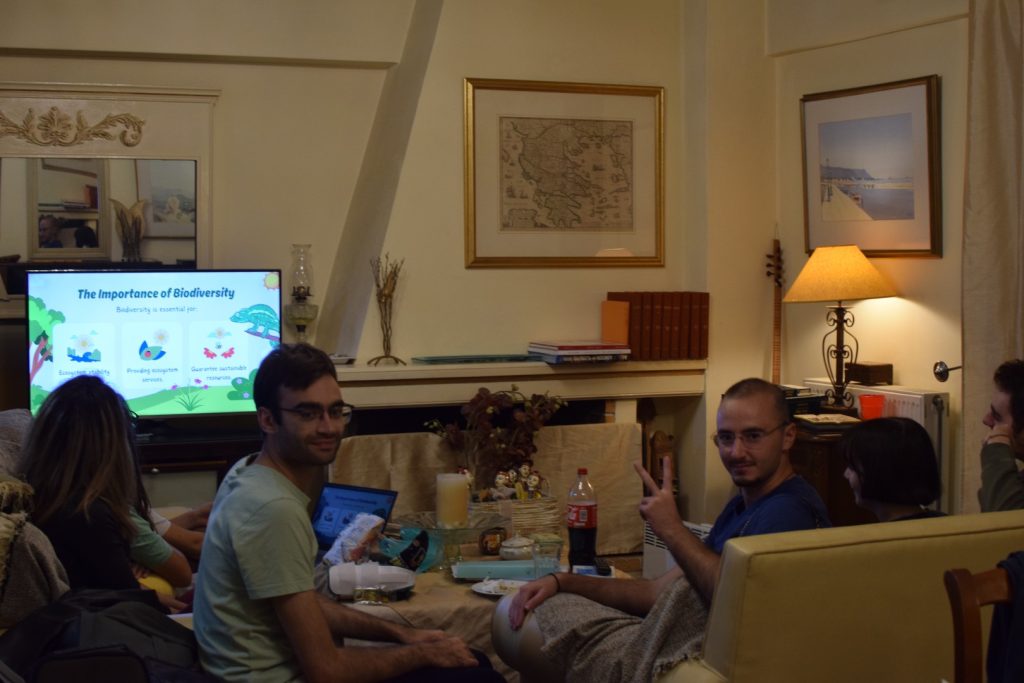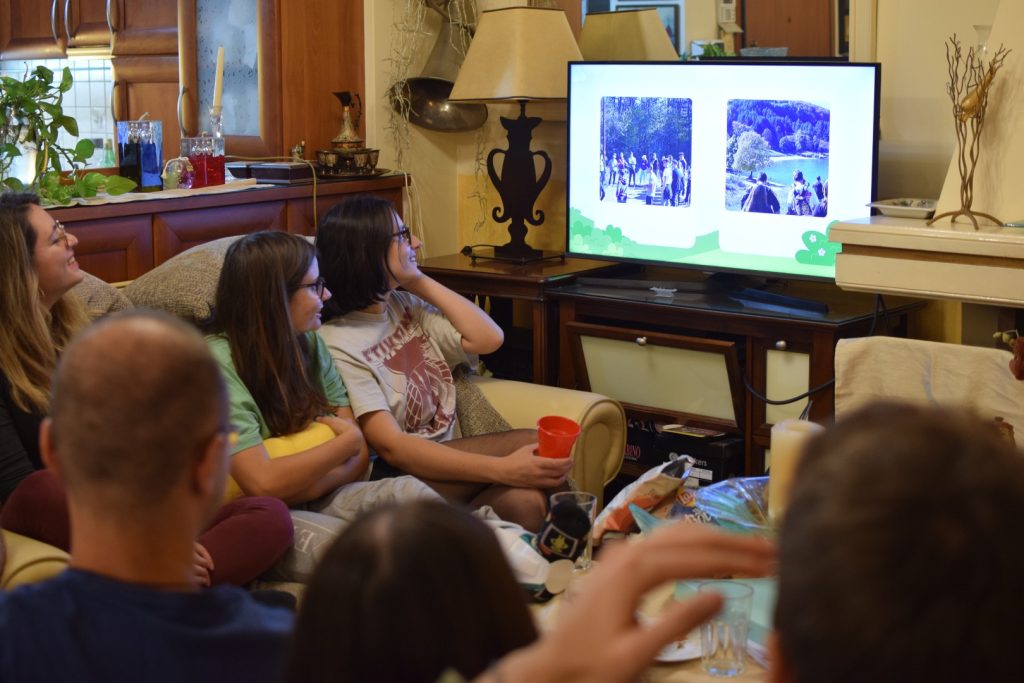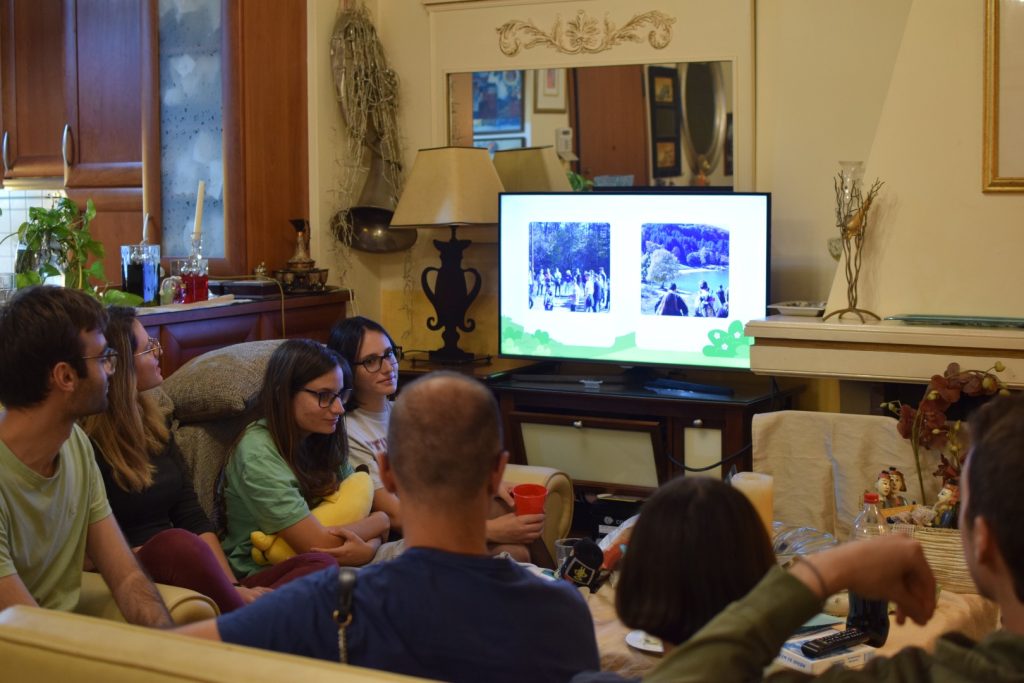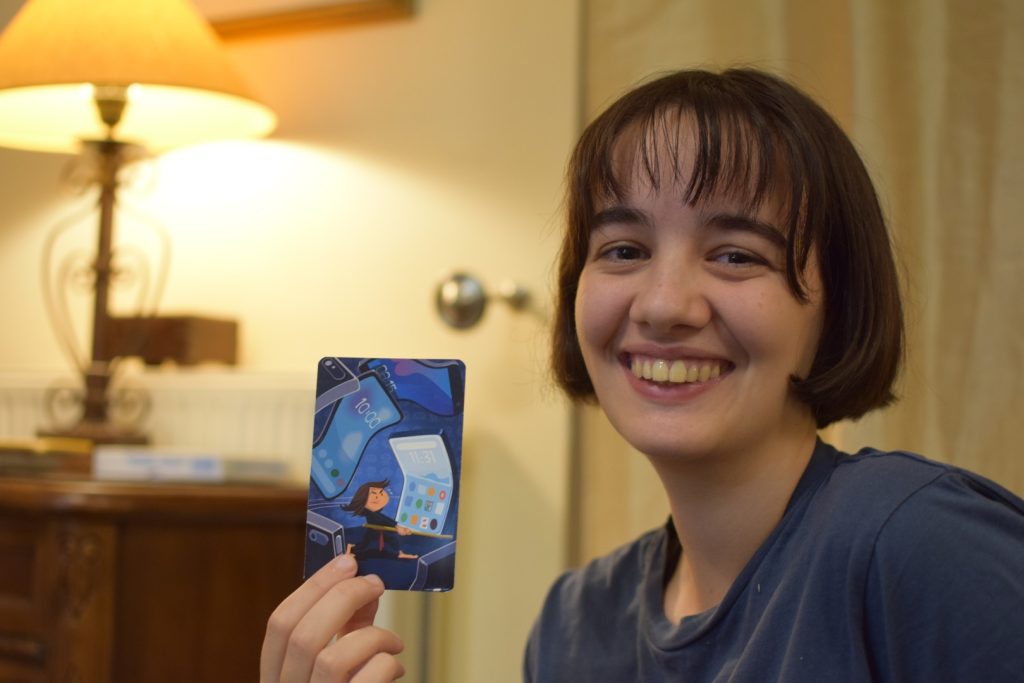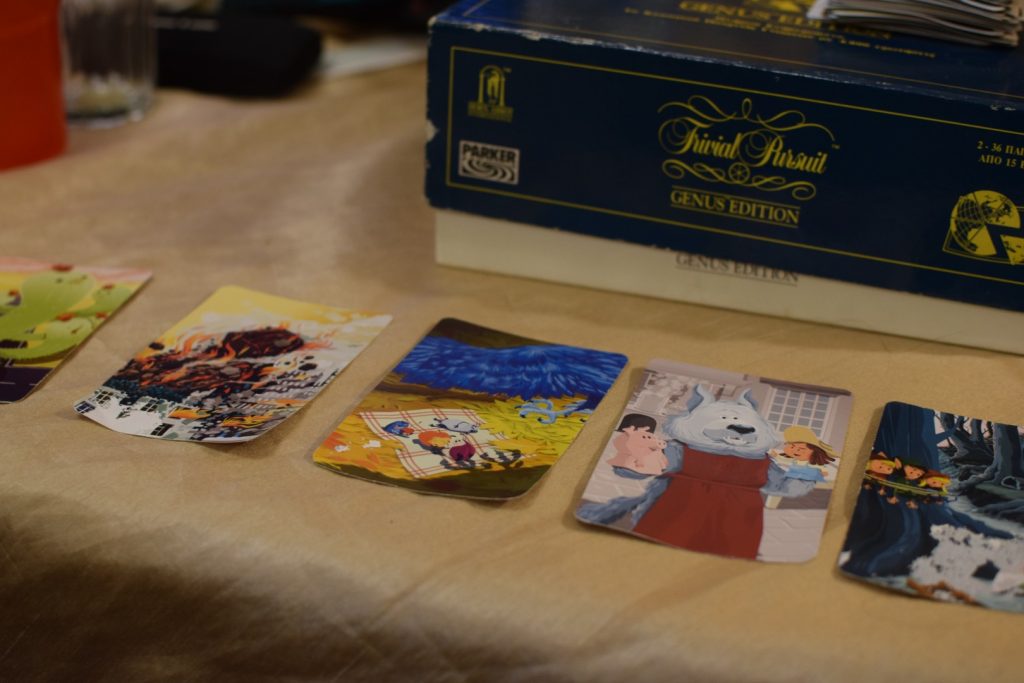
In my follow-up activity, I aimed to share the valuable experiences from the youth exchange and promote the Erasmus+ program’s opportunities for youth engagement and learning. This follow-up activity took place in a cozy home atmosphere, including university friends inspired by #EYbyCET activities. The session began with an introductory oral presentation on Erasmus+, giving an overview of the types of projects available, the application process, and the benefits of participating. I emphasized how Erasmus+ supports youth mobility, cultural exchange, and personal growth, encouraging attendees to consider participating in similar projects. I then introduced the Eco(Logical) Youth project specifically, sharing insights into our activities, goals, and the key takeaways about ecological awareness and sustainable practices that we explored in North Macedonia. I highlighted the main environmental issues we discussed, including sustainable lifestyle choices, waste reduction, and community-level ecological initiatives, aiming to inspire participants to reflect on their habits and consider ways to contribute to environmental protection locally. To make the session interactive and personal, I facilitated an engaging activity using Dixit cards, just like we did in the project. Each participant selected a card and shared how its imagery or theme resonated with them in the context of sustainability or personal values. This activity allowed for a diverse range of perspectives and helped deepen the group’s understanding of the importance of sustainability on an individual level. As a final touch, I brought some local lokums to share, adding a cultural element to the session and creating a warm, welcoming environment. This small gesture fostered a sense of community and allowed participants to experience a taste of my culture, which enhanced the cultural exchange aspect of the activity. The results were positive; participants gained awareness of Erasmus+ opportunities and showed genuine interest in environmental topics. Many expressed a willingness to make small sustainable changes in their lives, showing the activity’s impact on both personal and ecological levels.
The follow-up session effectively brought the Eco(Logical) Youth Erasmus+ project to life within my community, combining insights on ecological awareness with practical guidance on Erasmus+ opportunities. The presentation made Erasmus+ accessible to participants by explaining how the program works, what benefits it offers, and how youth can participate. This sparked genuine interest and opened doors for potential future involvement. The Dixit card activity was particularly impactful. It allowed participants to reflect personally on environmental themes, making the session interactive and memorable. This method proved effective for encouraging self-reflection and sparking meaningful conversations about sustainability. I recommend similar interactive techniques for future sessions, as they engage participants on a personal level, making them more receptive to the message. The session underscored the value of framing sustainability in a relatable way. By breaking down ecological practices into small, achievable changes, the presentation resonated more strongly with participants, motivating them to consider sustainable habits. The use of visual aids from the original Eco(Logical) Youth project also simplified complex topics and made the session more visually engaging Overall, this follow-up activity effectively inspired interest in Erasmus+ and raised ecological awareness, showing the positive impact of youth-led initiatives at a community level.