1: Recycling with Reverse Vending Machines
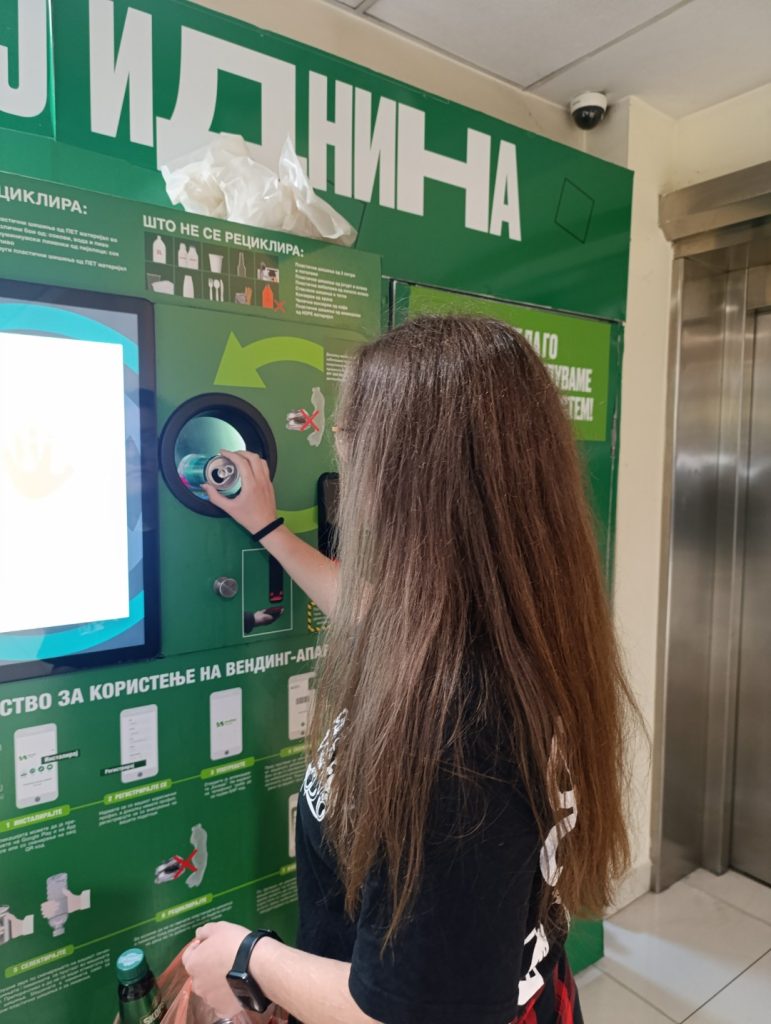
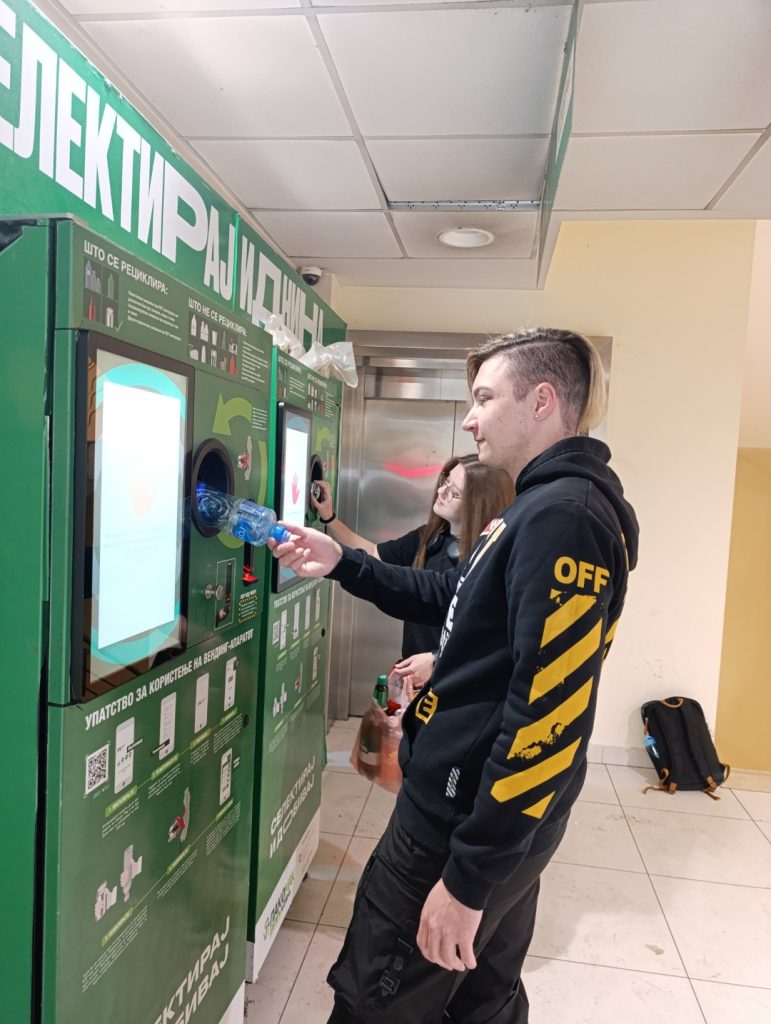
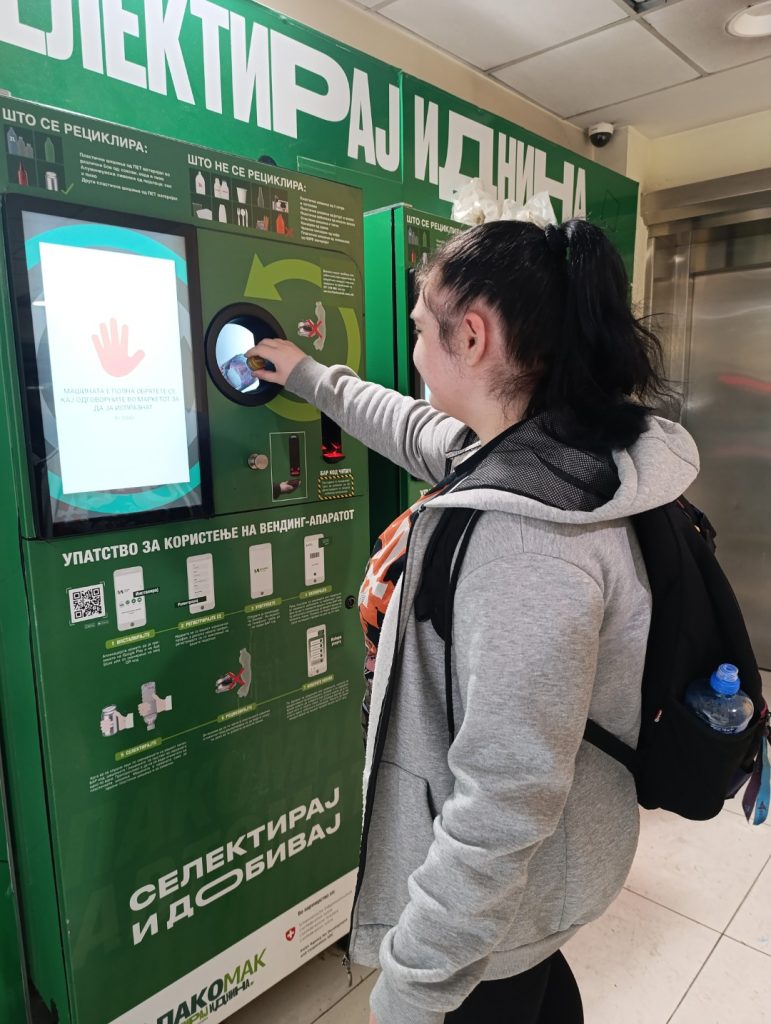
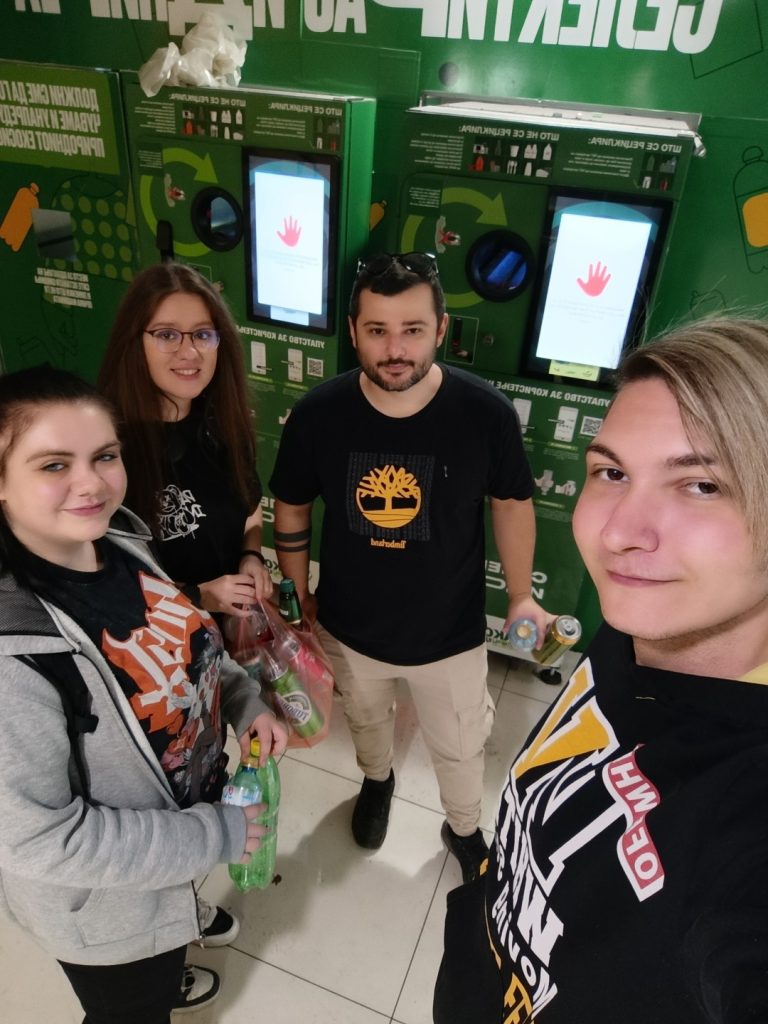
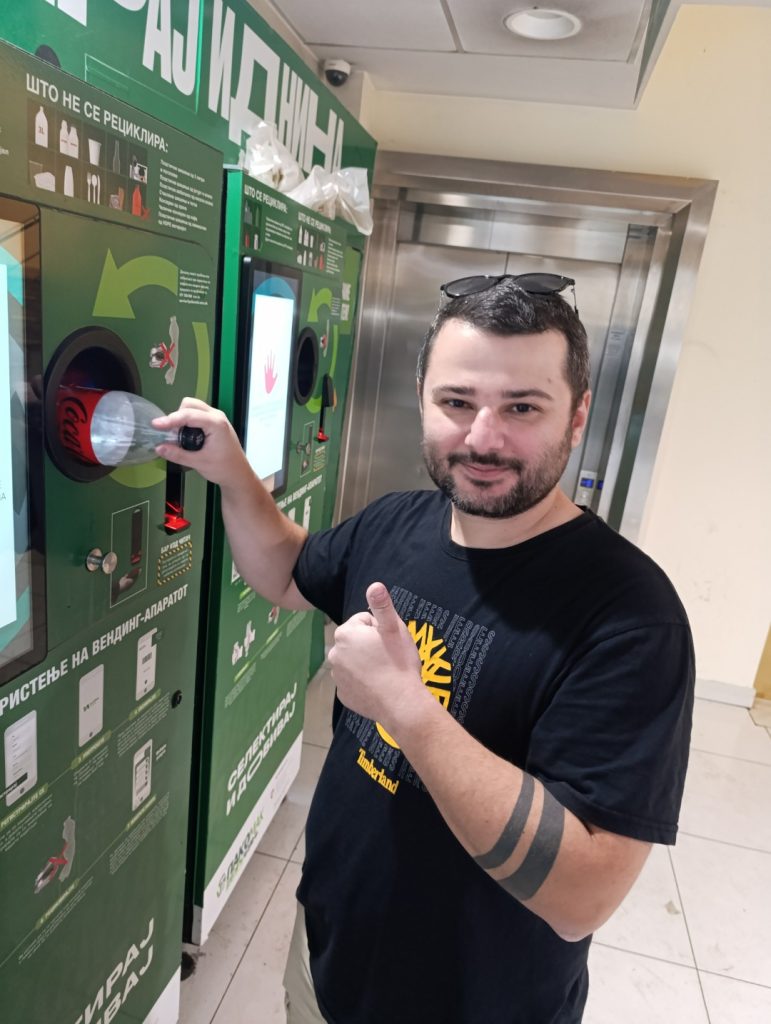
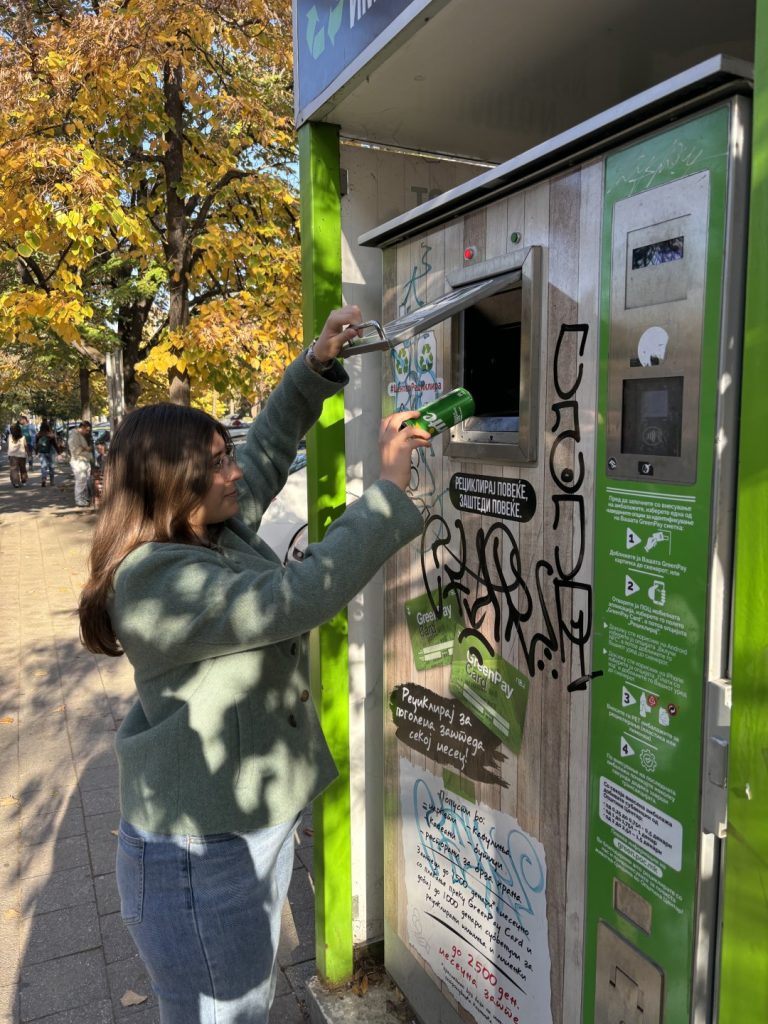
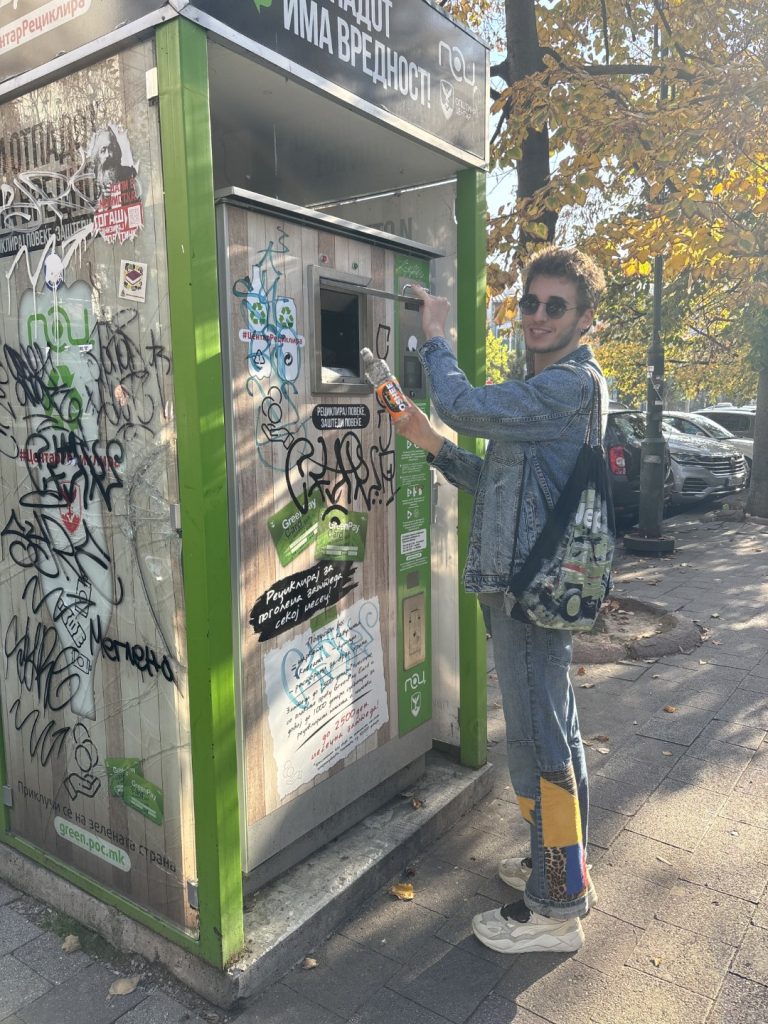
The first activity involved using reverse vending machines to recycle bottles and tin cans. We visited several locations where participants individually brought their used containers and deposited them into the machines. This activity aimed to showcase the simplicity and accessibility of recycling—just placing recyclable bottles and cans into the machines. The machines automatically sorted the recyclables, making the process straightforward and easy. As we moved through different sites, participants discussed the importance of accessible recycling options in urban areas and how small actions can contribute to a more sustainable environment. The activity emphasized that even simple acts, like using reverse vending machines, can help reduce waste and conserve resources.
2: Picnic and Discussion on Erasmus+ and Ecology
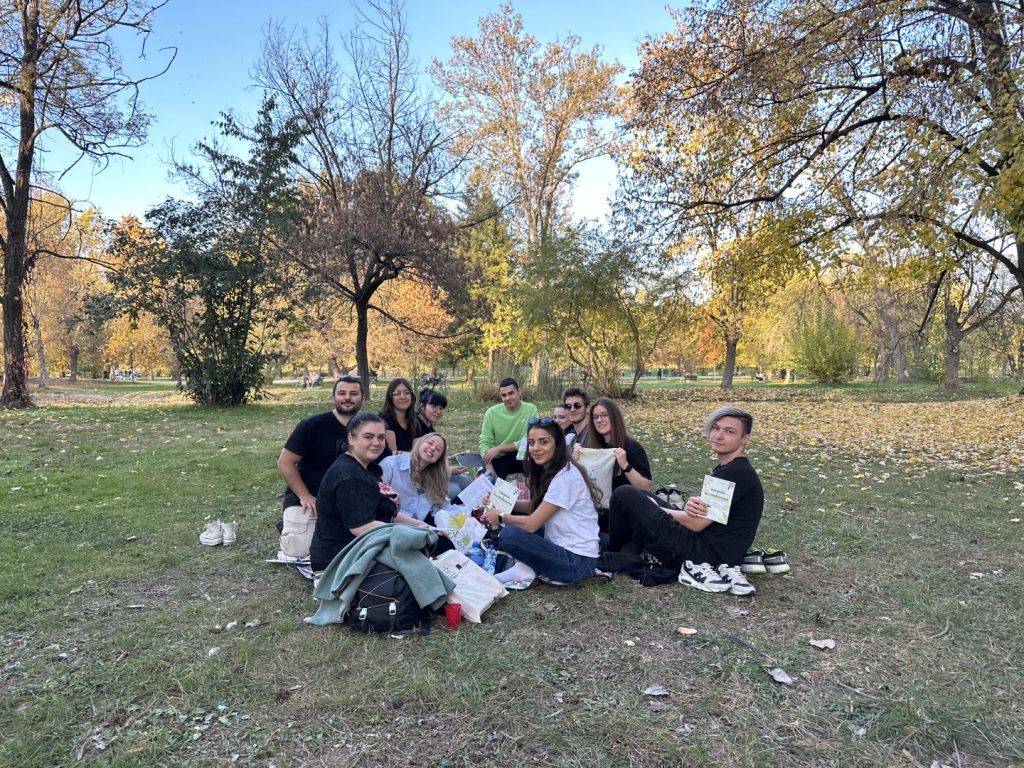
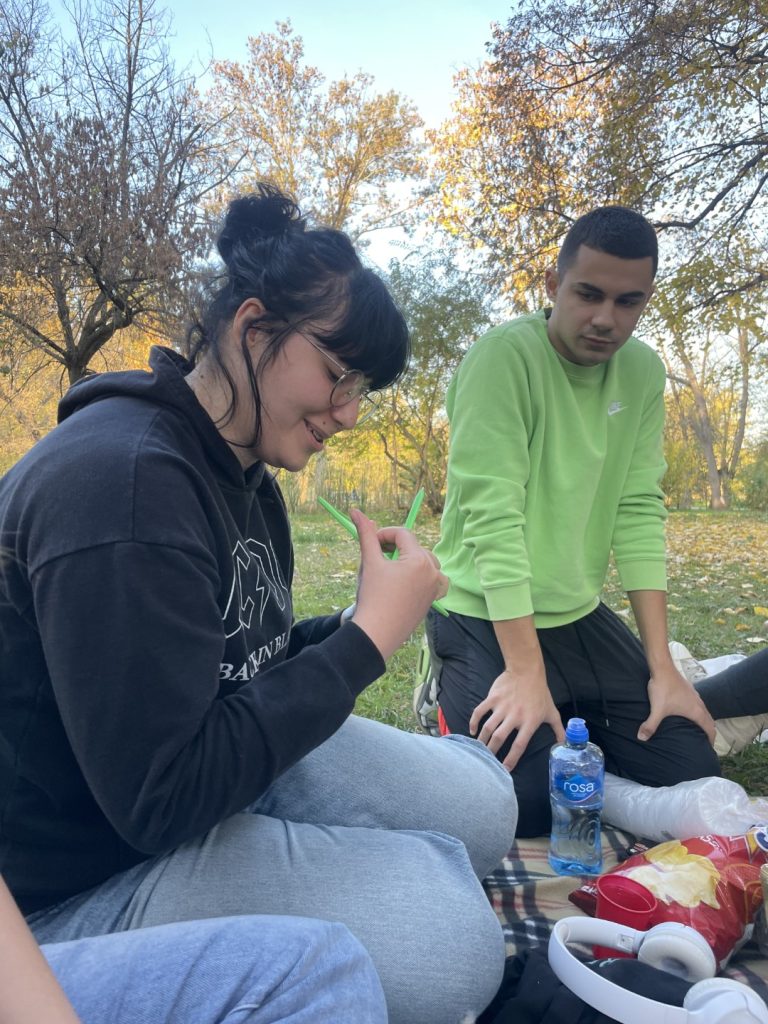
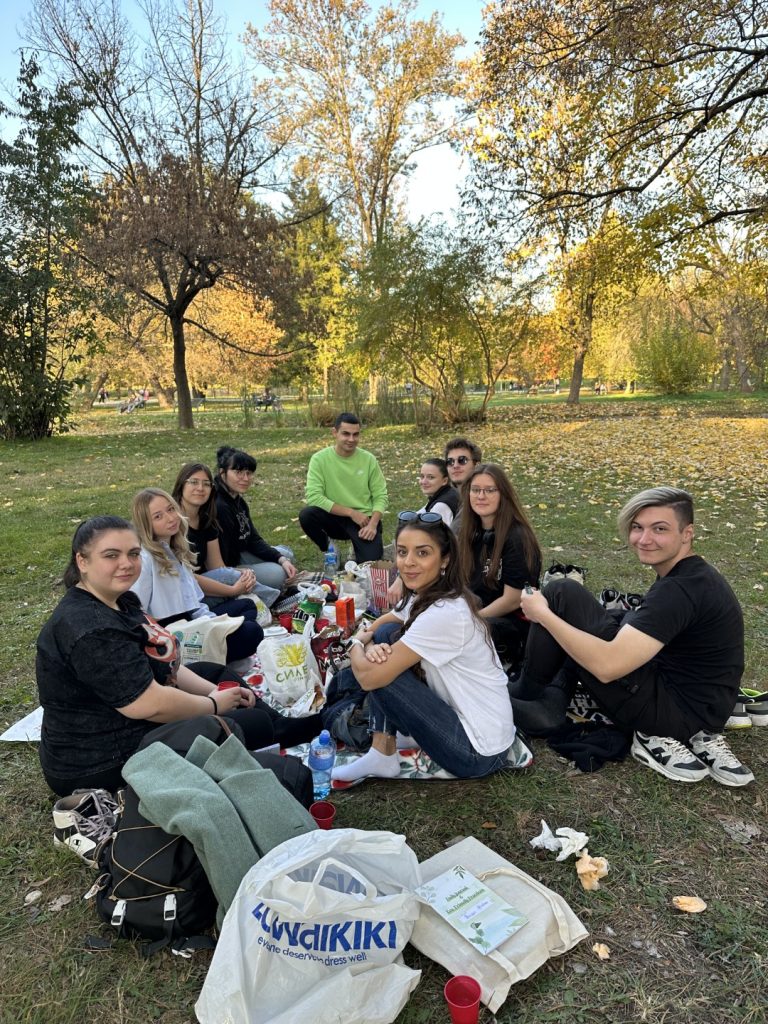
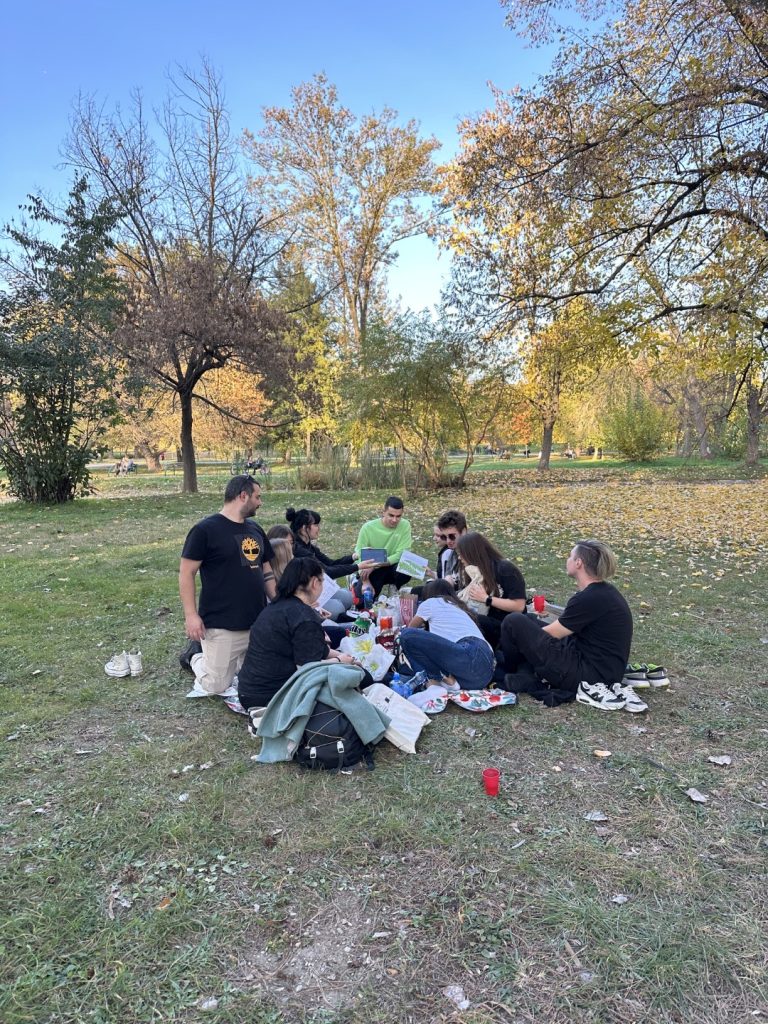
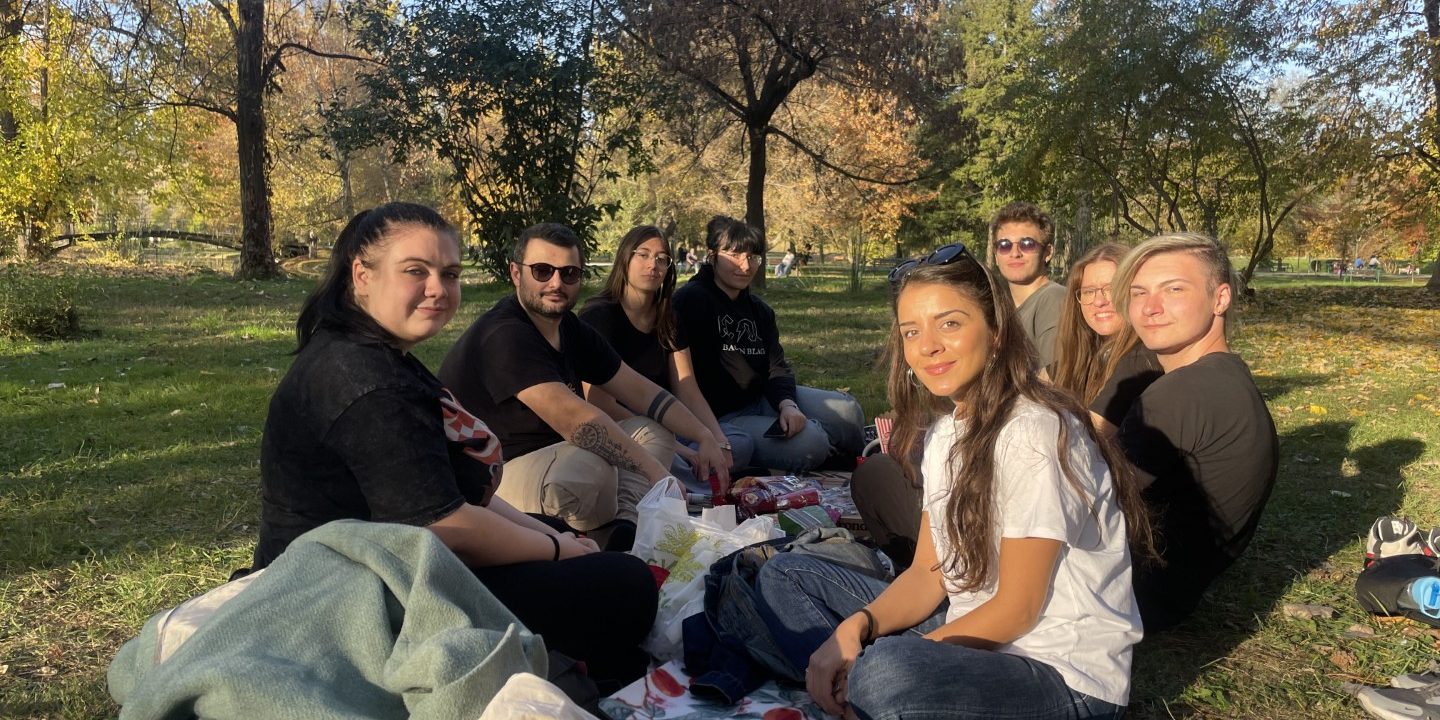
The second activity was a picnic in the park where we discussed the Erasmus+ program and its connection to ecological sustainability. Though we were from different cities, the group shared insights on how Erasmus+ promotes international collaboration and sustainability. We talked about how the program fosters exchanges that inspire global ecological awareness. The conversation shifted to local sustainability efforts, with participants sharing how their cities address environmental issues and how we, as individuals, can contribute to solutions. Being in nature made the discussion more relevant, reminding us of our direct connection to the environment and the importance of collective action for a greener future.
3: Mandala Coloring, Journals, and Reflection
The third activity combined creativity with reflection through mandala coloring and journaling. Participants colored mandala designs as a way to relax and practice mindfulness. We also shared the daily journals we had kept throughout the week, tracking sustainable habits like reducing plastic use, walking, or conserving water. After the coloring session, we reflected on how journaling helped raise awareness of our actions and improve our habits. We explained to our friends that some participants found it made them more committed to sustainability, while others realized that small changes, like reducing food waste, can have a significant impact. This activity showed that mindful reflection and small, consistent actions can lead to meaningful changes.
The activities we engaged in were not only hands-on but also deeply reflective, highlighting how small, intentional actions can make a significant impact on sustainability and personal growth. Each activity explored a different facet of eco-conscious living—whether through practical recycling, engaging discussions on global sustainability, or mindfulness exercises that encouraged self-awareness and habit formation. The reverse vending machine activity demonstrated how accessible technology can simplify recycling and motivate people to take responsibility for their waste. By encouraging participants to individually recycle bottles and cans, we reinforced the idea that responsible consumption is easy and doesn’t need to be complex. This experience prompted discussions about urban waste management and the need for simple solutions that allow individuals to make a difference in their communities. The picnic discussion on Erasmus+ and sustainability allowed us to connect global exchange programs with local ecological efforts. Despite coming from different cities, participants shared ideas on how their communities were tackling environmental issues, emphasizing that sustainability is a collective responsibility. By reflecting on how Erasmus+ fosters cross-border collaboration, we were reminded that global cooperation is crucial for addressing environmental challenges. Finally, the mandala coloring and journaling session offered a creative and introspective way to reflect on personal sustainability habits. By tracking our progress in daily journals, we saw firsthand how small changes—such as reducing plastic use or conserving water—can have lasting effects. This activity showed that mindfulness, combined with personal reflection, is a powerful tool for adopting more sustainable behaviors. Together, these activities demonstrated that sustainability is not just about grand gestures but about consistent, small actions that add up. Whether through recycling, thoughtful dialogue, or mindful habits, each step we take can lead to positive change. These activities encouraged participants to incorporate more sustainable practices into their everyday lives, fostering a collective sense of responsibility for the environment.